Japan
Mount Fuji and torii gate
Study in Japan from Nepal
Japan is a global powerhouse of technology, engineering, and manufacturing. Famous for its precision, safety, and rich culture, Japan offers a unique and highly structured educational route for international students.
Most Nepali students choose the Japanese Language School pathway. You study Japanese intensively for 1 to 2 years, secure a high level of proficiency (JLPT N2 or N1), and then transition smoothly into a vocational college (Senmon Gakko) or a Bachelor's/Master's degree.
Japan features an exceptionally high graduate employment rate. With a shrinking domestic population, the Japanese government and industries actively recruit international graduates for professional careers in engineering, IT, hospitality, and healthcare.
Main Intakes
April, October
Estimated Cost
¥800,000 - ¥1,500,000 JPY / Year
Visa Path
Student Visa Route
Required Tests
IELTS / PTE Academic
Top Courses to Study in Japan
Nepali students frequently select these disciplines due to high educational quality, modern syllabus options, and strong employment opportunities:
1. Japanese Language Programs
Offered by language academies for 1 to 2 years, building the linguistic foundation required to pass JLPT N2/N1 exams for higher studies.
2. Robotics & Mechatronics
Japan leads the world in automation. Degrees focus on hardware design, electronic sensors, micro-controllers, and artificial intelligence.
3. Automotive Engineering
Backed by companies like Toyota and Honda, these programs offer direct workshop training, vehicle assembly science, and engine technology.
4. Hospitality & Hotel Management
Focuses on Omotenashi (Japanese hospitality culture), hotel operations, and culinary arts, leading to placements in international resorts.
Top Universities & Colleges Popular Among Nepali Students
Here is a comparative overview of some of the key academic institutions in Japan with details on popular programs and highlights:
| University Name | Popular Courses | Tuition Fees |
|---|---|---|
| University of Tokyo | Global Science Course (GSC), PEAK English Program, Engineering | ¥535,800 / year (+ ¥282,000 admission fee) |
| Kyoto University | Kyoto iUP English & Japanese Degree, Energy Science, Informatics | ¥535,800 / year (+ ¥282,000 admission fee) |
| Nagoya University | G30 Automotive Engineering, Physics, International Business | ¥535,800 / year (+ ¥282,000 admission fee) |
| Hiroshima University | Integrated Global Studies (IGS), Engineering, Environmental Sciences | ¥535,800 / year (+ ¥282,000 admission fee) |
Featured Campus Showcases
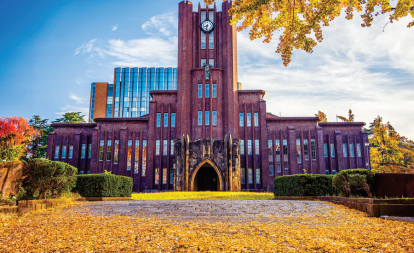
University of Tokyo
Japan's top national university, historically prestigious and research-intensive, offering world-recognized programs in science and humanities.
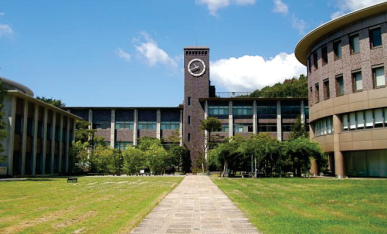
Kyoto University
World-famous national university known for producing Nobel laureates, focusing on research excellence and creative academic freedom.
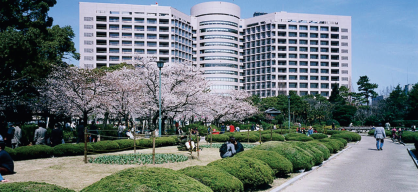
Nagoya University
A top-tier national university renowned for physics, chemistry, and automotive engineering, offering full-degree English programs.
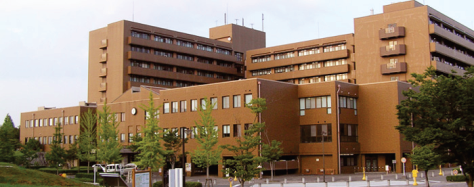
Hiroshima University
A leading national comprehensive university specializing in peace and development studies, education, and engineering sciences.
Why study in Japan?
The Japan study route provides unique career pathways and academic values that make it a highly competitive choice:
World-class, technology-driven economy with a strong discipline culture
Highly organized Japanese language pathway to degree study
Very high post-graduate employment and career placement rates (over 90%)
Extremely safe cities with low crime rate and clean student living
Requirements to Study in Japan
To secure a successful placement and student visa, students must satisfy the following admission and immigration criteria:
1. Academic Admission
Completion of 12 years of formal education (high school/+2) with a minimum of 50%. A consistent study history with no long unexplained gaps.
2. Language Score
For English-taught programs: IELTS 6.0+ or TOEFL 79+. For Japanese-taught routes: Basic N5 certificate (or 150 hours of study) for language schools.
3. Financial Capacity
You must show a financial sponsor (usually parents) with an annual income of NPR 15 Lakh+ and a bank deposit of NPR 20 Lakh to 25 Lakh.
4. Genuine Student (GST/GS)
The Japanese Immigration Service requires a rigorous check of your sponsor's source of funds, tax clearance records, and your relationship certificates.
Intakes & Deadlines
Institutions in Japan offer multiple semesters. Early planning guarantees access to high-demand courses and bursary deadlines:
| Academic Intake | Study Period | Application Window | Key Information |
|---|---|---|---|
| April Intake | April | September to November (Previous Year) | The primary and most popular intake. Aligns with the Japanese academic year. Offers the longest study duration (2 years of language study). |
| October Intake | October | March to May (Same Year) | The second major intake. Popular for international programs and offering 1.5 years of language study. |
| January & July Intakes | January / July | 4 to 5 months before start | Niche intakes offered by select language academies for accelerated learning routes. |
Cost of Studying in Japan
Budgeting effectively allows you to focus on your studies. Below are the estimated annual budgets for tuition and living:
| Expense Category | Estimated Cost Range | Description |
|---|---|---|
| Japanese Language School | ¥700,000 – ¥850,000 / year | Covers school tuition, textbooks, and laboratory fees. Paid as a one-year installment before departure. |
| National University Tuition | ¥535,800 / year | Standard fee set by the government for all national universities, plus a one-time admission fee of ¥282,000. |
| Living Expenses | ¥1,000,000 – ¥1,500,000 / year | Includes student shared house or dormitory, food, public transport, and utility bills. Cheap outside Tokyo. |
| National Health Insurance | ¥20,000 / year | Mandatory insurance that covers 70% of all medical expenses, making healthcare extremely cheap for students. |
Scholarships & Funding in Japan
MEXT Scholarships
Fully funded by the Japanese Ministry of Education, Culture, Sports, Science, and Technology, covering full tuition, monthly stipend, and flights.
JASSO Honors Scholarship
Monthly stipend of ¥48,000 for 12 months, awarded to outstanding self-supporting international students recommended by their school.
Local Government & Foundation Awards
Offered by local prefectures and corporate foundations (e.g. rotary clubs), providing ¥30,000 to ¥100,000 per month for living expenses.
Maximize Your Funding Potential
Our admissions counselors help you identify appropriate grants, prepare required essays, and polish your Statement of Purpose (SOP) to boost your candidacy.
Frequently Asked Questions
A Certificate of Eligibility (COE) is a document issued by the Japanese Ministry of Justice confirming you meet the entry requirements. Once your chosen school or university secures the COE, you submit it to the embassy in Kathmandu to get the student visa.
Yes. For language schools, you need at least N5 level proficiency or a certificate showing 150 hours of Japanese study. Learning basic Japanese increases your COE approval rate and makes settling in much easier.
Yes. International students with a valid student visa can work up to 28 hours per week (8 hours per day during vacations) after receiving the 'Permission to Engage in Activity Other Than That Permitted' at the airport.
Yes. Several top national universities offer global programs (like Tokyo's PEAK or Nagoya's G30 programs) which are taught entirely in English. However, learning Japanese is still necessary for local job placements.