South Korea
N Seoul Tower
Study in South Korea from Nepal
South Korea is a dynamic hub of technological innovation, economic growth, and global entertainment (K-Culture). It offers an exceptionally safe, modern, and high-tech study environment for international students.
The South Korean education system is world-renowned for its academic discipline and research, with flagship universities producing leaders in tech, engineering, and business fields.
For Nepali students, South Korea offers affordable first-step options, especially through Korean Language Programs that act as a smooth pathway into top-tier university degrees with significant scholarship opportunities.
Main Intakes
March, September
Estimated Cost
NPR 8 Lakh to 12 Lakh average
Visa Path
Student Visa Route
Required Tests
IELTS / PTE Academic
Top Courses to Study in South Korea
Nepali students frequently select these disciplines due to high educational quality, modern syllabus options, and strong employment opportunities:
1. Korean Language Programs
Intensive 1-year language tracks offered by university-affiliated institutes, designed to take you from beginner to TOPIK level 3/4.
2. Computer Science & AI
Backed by companies like Samsung and Hyundai. Focuses on software engineering, robotics, cloud systems, and smart tech.
3. Business Management & Global Trade
Taught in English and Korean, business programs focus on East Asian commerce models, global logistics, and corporate management.
4. Media, Film & Communication
At the heart of the Hallyu wave. Focuses on digital content creation, television production, public relations, and cultural studies.
Top Universities & Colleges Popular Among Nepali Students
Here is a comparative overview of some of the key academic institutions in South Korea with details on popular programs and highlights:
| University Name | Popular Courses | Tuition Fees |
|---|---|---|
| Seoul National University | Computer Science, Electrical Engineering, Business Management, International Relations | 6,000,000 KRW / year (average) |
| Yonsei University | Global Studies (Underwood), Business Admin, Technology Management | 4,500,000 - 9,000,000 KRW / semester |
| Hanyang University | Mechanical Engineering, Computer Engineering, Global Business, AI | 4,700,000 - 7,100,000 KRW / semester |
Featured Campus Showcases
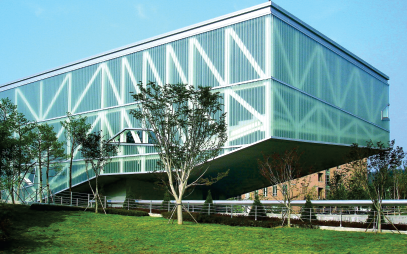
Seoul National University
The prestigious flagship national university of South Korea, offering premier research and education across all major academic fields.
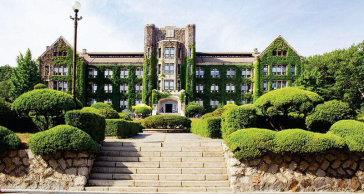
Yonsei University
One of South Korea's oldest and most prestigious private universities, part of the SKY trio, known for its globalized programs.
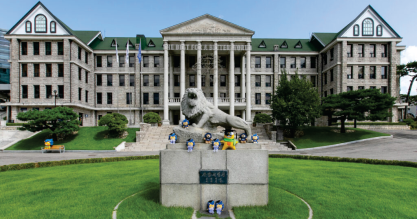
Hanyang University
Renowned as South Korea's top engineering university, with a strong emphasis on industry-academic cooperation and technology startups.
Why study in South Korea?
The South Korea study route provides unique career pathways and academic values that make it a highly competitive choice:
World leader in technology, electronics, and digital media
Opportunity to learn Korean language and culture
Highly affordable tuition fees compared to Western destinations
Robust campus facilities and student support systems
Requirements to Study in South Korea
To secure a successful placement and student visa, students must satisfy the following admission and immigration criteria:
1. Academic Admission
Undergraduate: GPA of 2.5+ in high school (+2). Graduate: Bachelor's degree with good GPA. Strong academic records in mathematics and science help for tech routes.
2. Language Score
For English-taught programs: IELTS 5.5 to 6.0+, or TOEFL 79+. For Korean-taught programs: TOPIK level 3 or 4 is mandatory.
3. Financial Capacity
A certificate of bank deposit showing $20,000 (D-2 visa) or $10,000 (D-4 language visa) held in the applicant's or sponsor's account for at least 1 month.
4. Genuine Student (GST/GS)
The South Korean Embassy in Kathmandu assesses your visa application. You must present verified academic documents, certificate of admission (COA), and clear financial sponsor details.
Intakes & Deadlines
Institutions in South Korea offer multiple semesters. Early planning guarantees access to high-demand courses and bursary deadlines:
| Academic Intake | Study Period | Application Window | Key Information |
|---|---|---|---|
| Spring Semester | March | September to November (Previous Year) | The primary academic intake in South Korea. The semester runs from March to June. |
| Autumn Semester | September | April to June (Same Year) | The second academic intake. The semester runs from September to December. |
| Language Intakes | March, June, September, December | 3 to 4 months before start | Korean language programs run on a 4-term quarterly basis, providing high flexibility. |
Cost of Studying in South Korea
Budgeting effectively allows you to focus on your studies. Below are the estimated annual budgets for tuition and living:
| Expense Category | Estimated Cost Range | Description |
|---|---|---|
| Korean Language Course | 1,200,000 – 1,800,000 KRW / term | A term lasts 10 weeks. There are 4 terms in a full academic year of language study. |
| Undergraduate Tuition | 3,000,000 – 6,000,000 KRW / semester | Two semesters per year. Humanities are cheaper, while engineering and medicine are higher. |
| Living Expenses | 6,000,000 – 10,000,000 KRW / year | Covers university dorms (very affordable) or off-campus shared rooms, food, and utilities. |
| Health Insurance | 50,000 – 70,000 KRW / month | International students are automatically registered in the National Health Insurance (NHIS). |
Scholarships & Funding in South Korea
Global Korea Scholarship (GKS)
Fully funded government program covering full tuition fees, flight tickets, monthly allowance of 900,000 KRW, settlement support, and insurance.
TOPIK Scholarship for Admissions
Universities offer direct tuition fee discounts (30% to 70%) for the first semester based on your entry TOPIK level (Level 3, 4, 5, or 6).
GPA-Based Academic Scholarships
Offered in subsequent semesters by universities, providing tuition waivers (20% to 100%) to students who maintain a high GPA (above 3.0 out of 4.5).
Maximize Your Funding Potential
Our admissions counselors help you identify appropriate grants, prepare required essays, and polish your Statement of Purpose (SOP) to boost your candidacy.
Frequently Asked Questions
While there are English-taught degree programs (like Yonsei's Underwood college), most programs require Korean language proficiency (TOPIK level 3 or 4). Many Nepali students choose a Korean Language Pathway, studying language for 1 year before starting their degree.
The Test of Proficiency in Korean (TOPIK) is the standardized exam used to measure Korean language skills. Scoring high on TOPIK can earn you substantial tuition scholarships (up to 70-100% discount).
For a degree program (D-2 visa), you must show a bank deposit of $20,000 held for at least 1-3 months. For a language course (D-4 visa), the requirement is $10,000.
Yes, international students with a certain TOPIK level and good GPA can work part-time up to 20-30 hours per week during semesters and unlimited hours during vacations.